by cvs02 | Nov 21, 2025 | Dashboard, Uncategorized, Visualization
Teta Salma lives in a small village in the Hermel District. The nearest clinic is far from her home and opens on an unpredictable schedule, so routine tests are rarely part of her life. She often feels tired but assumes it is simply age catching up with her. During a visit to her daughter in Mount Lebanon, she took her to a nearby medical center for a simple checkup. That day she learned she had diabetes. The condition had been part of her life for years. It had only been discovered because she finally had access.
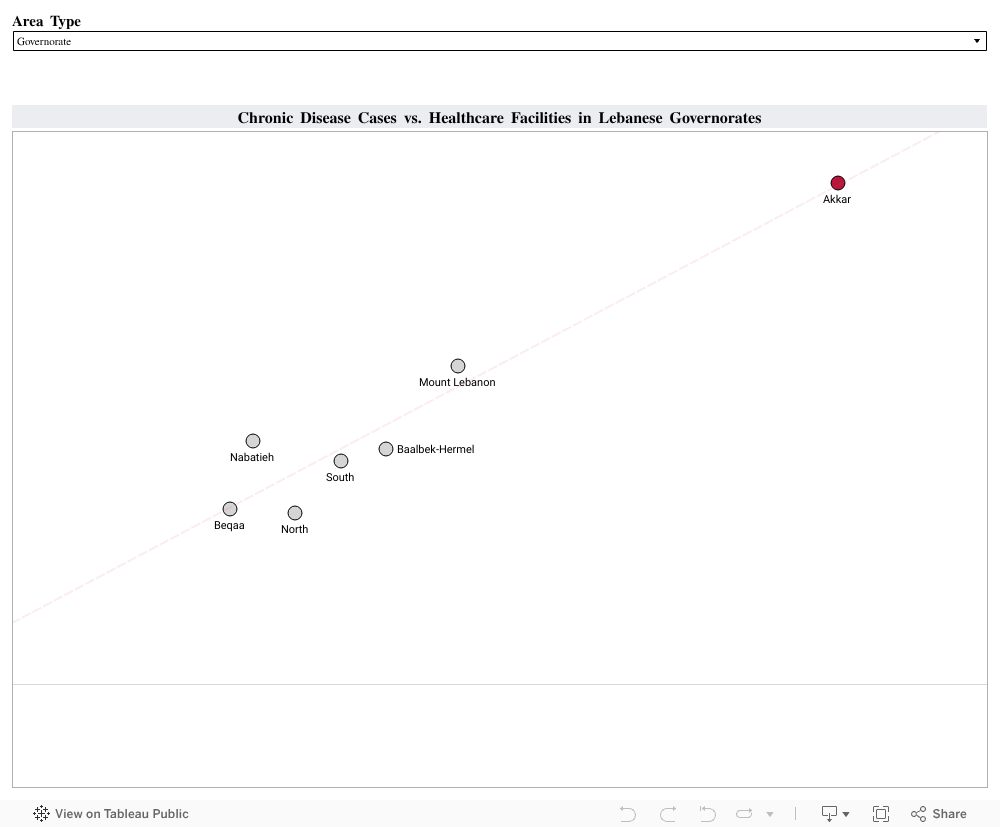
Her experience reflects something that appears across Lebanon when we look at the data. Using the Health Status 2023 and Health Resources 2023 datasets from PKGCube, I compared reported chronic disease cases with the number of healthcare facilities available in each governorate and district. I combined hypertension, cardiovascular disease and diabetes into one chronic disease measure. I then compared these counts with the number of care centers and first aid centers in each region:
The visualization revealed a clear pattern: Regions with stronger reach and more places to get a routine check reported higher counts of chronic disease. Akkar stands out with 390 chronic disease cases and 126 healthcare facilities. Mount Lebanon and Baalbek Hermel show a similar alignment. Areas with limited reach, such as Hermel or the Western Beqaa, showed much lower numbers.
These lower numbers do not necessarily reflect lower illness. They reflect reduced visibility. When people cannot reach a clinic easily, fewer conditions are recorded and many remain unnoticed until symptoms become harder to ignore.
To understand how better reach affects health data, I looked at the experience of Thailand. The country expanded primary care and community screening through its Universal Health Coverage program. Once routine checks became easier to access, more cases of hypertension and diabetes were identified, especially in rural areas. Detection of hypertension increased from 48.9 percent in 2016 to 53.3 percent in 2019, and diabetes detection rose from 67.4 percent to 74.7 percent during the same period. These changes showed how wider access can reveal conditions that were present long before.
This is similar to what we see in Lebanon. When people have access, more of the country’s true chronic disease burden becomes visible. When access is limited, the data looks lighter than reality.
A practical next step for Lebanon is to expand routine screening in districts with fewer facilities. Mobile clinics, community testing days and partnerships with universities or NGOs can bring basic checks closer to the communities that need them. Improved digital record systems can also help track early diagnoses more accurately. Monitoring places like Hermel, Bsharri or the Western Beqaa can show if these efforts are working.
Healthcare access shapes what we know about people’s health. Strengthening that access gives families the chance to understand their conditions earlier and manage them with clarity. It also brings us back to people like Teta Salma. Her diabetes did not begin the day she was screened. It became visible because she finally reached a place where someone could help her.
Supporting more communities in this way can bring hidden conditions to light and build healthier lives across Lebanon.
by cth07 | Nov 13, 2023 | Uncategorized
TEAM 3 – Full time
Houssem Chbichib, Charbel Hanna Daou, Manouella Helou, Chekri Khalife and Adam Salha
We’re sure you’ve heard your mother say this to you “Finish your plate, think of the children in Africa who go to bed hungry.” For centuries, the primary challenge in global nutrition was undernourishment, particularly in less developed regions. However, in recent decades, a significant shift has occurred, especially in developed countries, where the problem has paradoxically inverted. Today, unhealthy eating habits, accelerated by lifestyle changes and digital influences, have led to a dramatic rise in obesity and related health issues. But, why is this a critical issue in 2023, and how should we put a stop, or at least decelerate this trend?
Is Unhealthy Eating That Alarming?
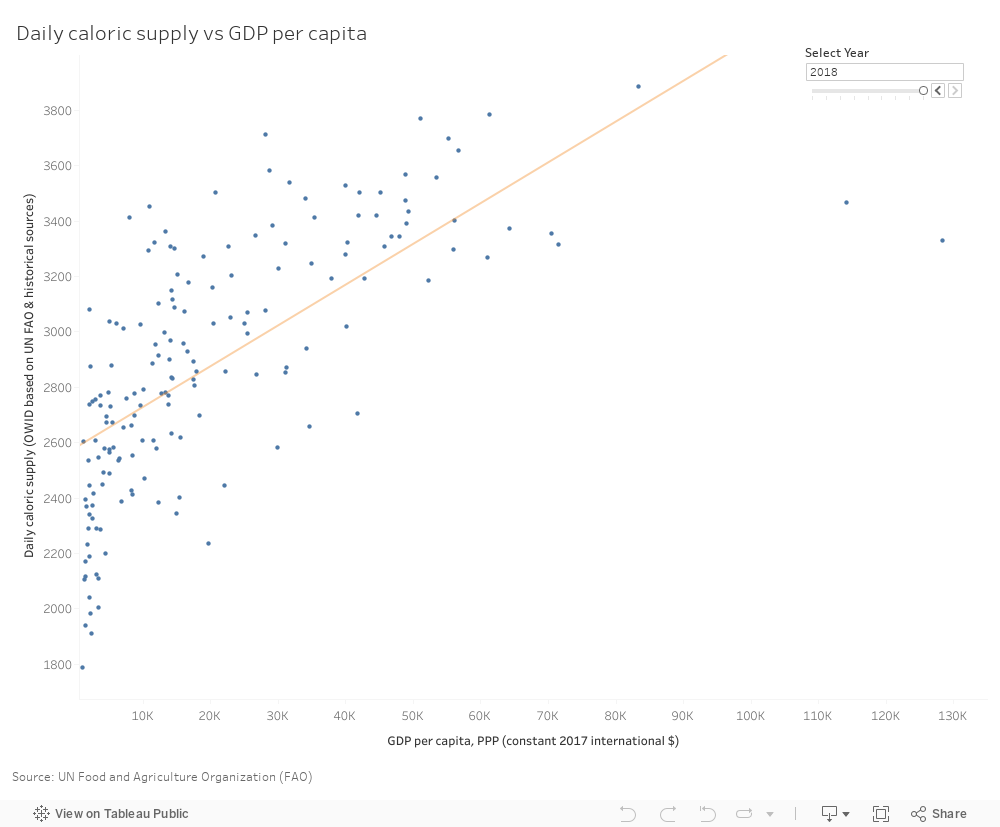
The association of global nutrition statistics with economic indicators reveals a troubling trend in dietary habits, particularly in relation to caloric and fat intake within affluent nations. Empirical evidence, as illustrated by a scatter plot analysis, indicates a positive correlation between a nation’s gross domestic product (GDP) and its per capita daily caloric supply, which in many instances, exceeds the upper threshold of nutritional recommendations. The data, represented by a discernible upward trend line, suggests an average caloric intake ranging from 3400 to 3900 calories per day among high-GDP countries.
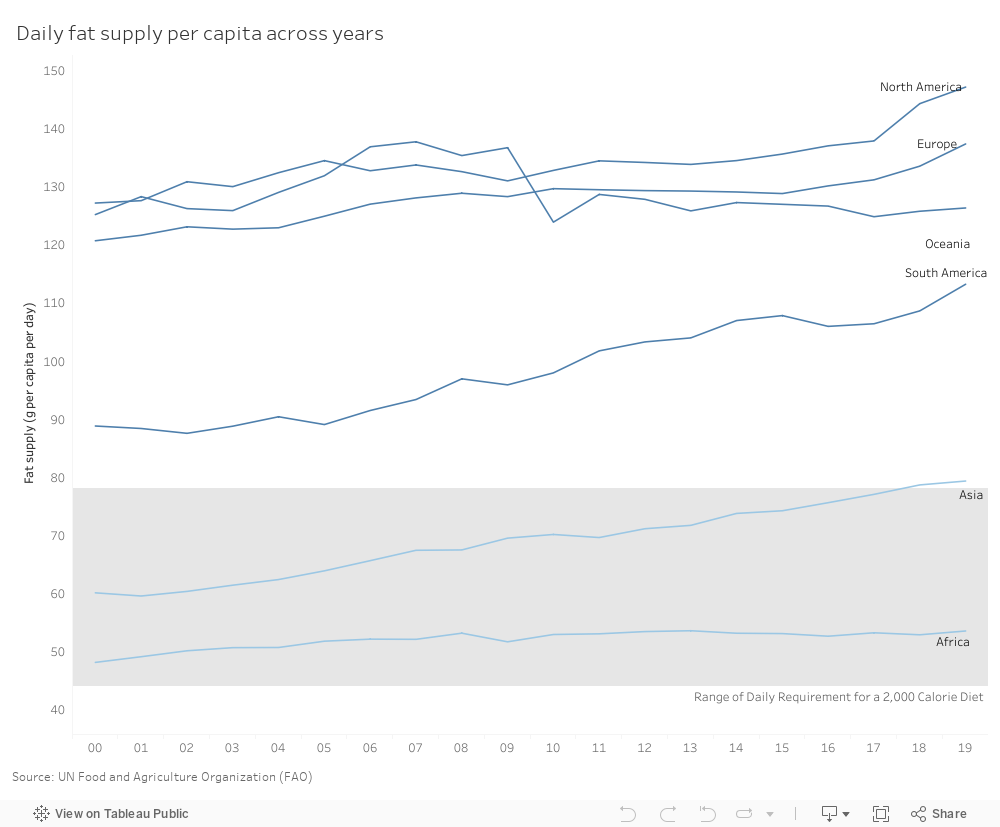
Tracking the fat supply per capita across continents over time shows that developed continents such as North America, Europe, and South America soar beyond the recommended daily fat range for a 2000-calorie diet, marked by a gray area on the chart. It’s conspicuous that the fat supply in these developed continents, significantly eclipses the recommended range.
Unhealthy Eating Reached a Peak, but Why?
The proliferation of social media platforms like YouTube and TikTok, has played a pivotal role in influencing global food consumption trends. These digital mediums are reshaping dietary habits, leading to an increase in consumption patterns that favor high-calorie, nutrient-poor foods.
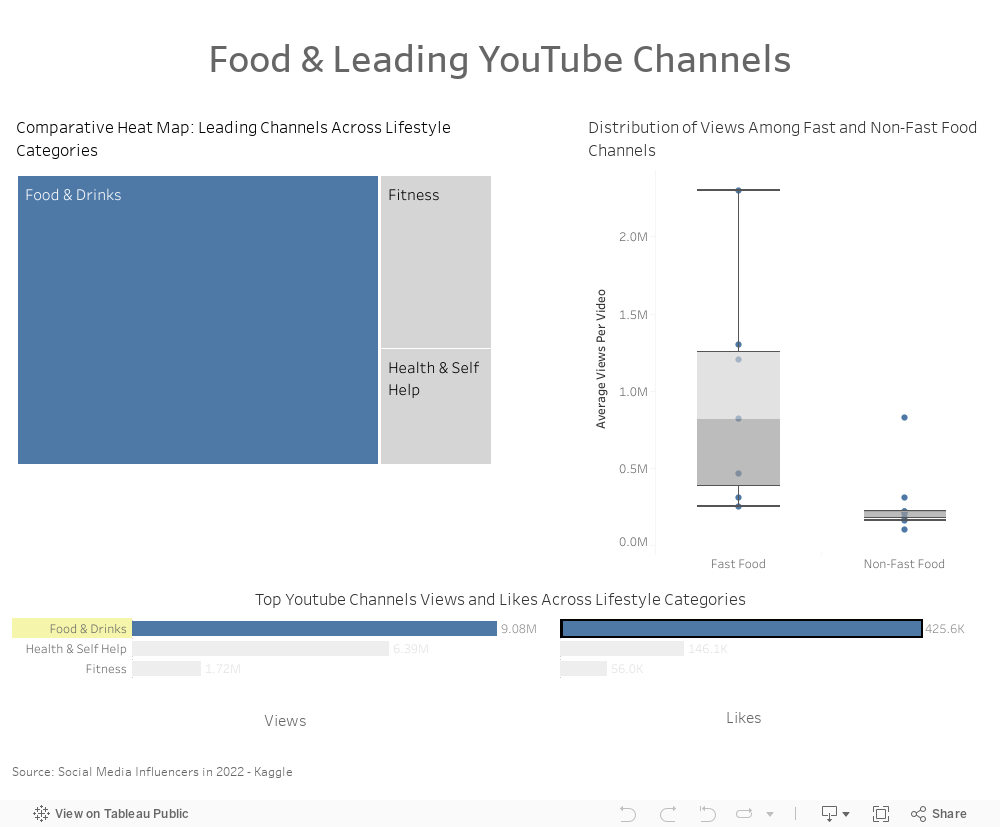
Taking YouTube for example, the “Food & Drinks” category holds the leading position with 16 top channels, markedly surpassing the “Fitness” and “Health & Self-Help” categories, which have 3 and 2 leading channels respectively. This dominance is not limited to the number of channels; it extends to viewer engagement, as the “Food & Drinks” category also leads in terms of views and likes. These findings indicate a clear preference among YouTube audiences for content related to food and drink, as opposed to fitness or health topics.
Further analysis into the distribution of views between fast food and non-fast food channels reveals significant differences. Channels focused on fast food content show a greater variability in views, with some achieving exceptionally high viewership. This suggests that fast food content has a higher potential for going viral or capturing greater audience interest. Notably, the channel ‘Mis Pastelitos‘ stands out in the fast food category, averaging 2.3 million views per video, which is substantially higher than the most popular non-fast food channel, ‘Jessica Jane‘, with an average of 0.8 million views. This disparity highlights the stronger appeal of fast food content among YouTube viewers.
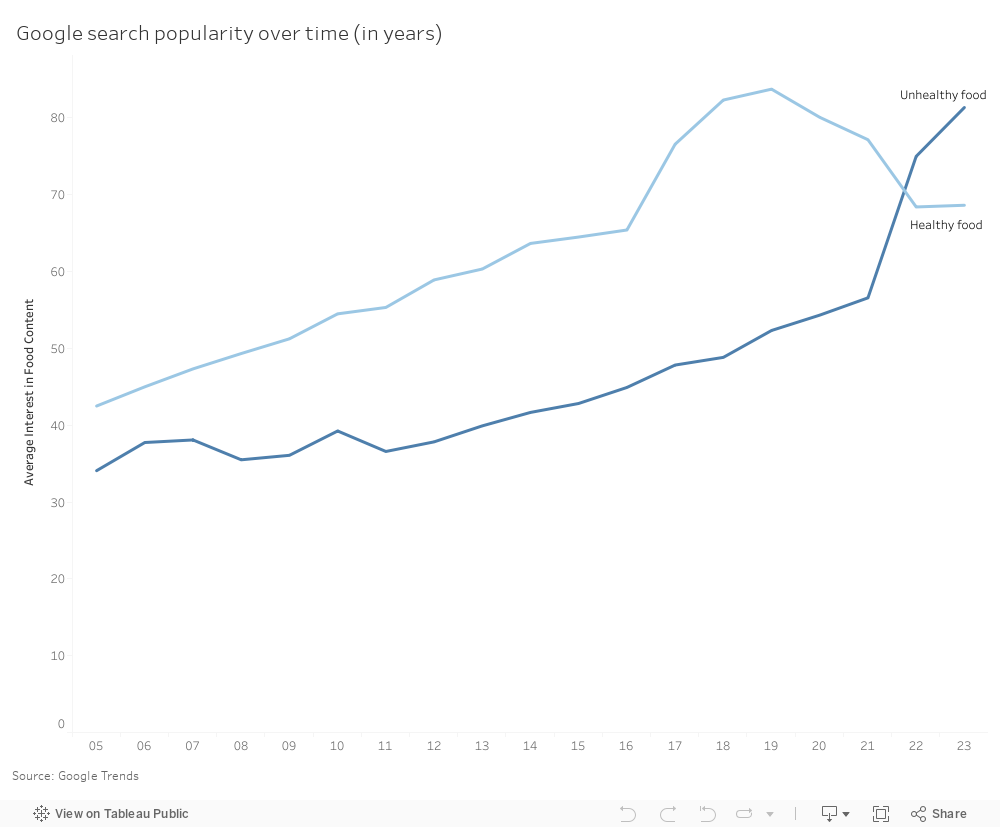
Notably, Google search engines show surprising results: the popularity of healthy food has been declining since 2021, while the search popularity of unhealthy food has been increasing. This is a significant change, as healthy food has consistently been more popular than unhealthy food in the past.
One explanation of this drastic change between 2021 and 2022 is that the COVID-19 pandemic has had a negative impact on people’s eating habits. During the pandemic, people were more likely to crave and order junk food. Additionally, the stress and uncertainty brought on by the pandemic may have led to comfort eating as a coping mechanism. With more time spent at home and disrupted routines, individuals may have found it challenging to maintain a healthy diet and instead opted for more convenient, albeit less healthy, food options.
Okay.. But How Does That Do Any Harm?
A 2016 research study, published in the US National Library of Medicine, revealed a significant correlation between fast food consumption and obesity in adults. The study found that adults consuming fast food more than twice a week had a 2.28 times greater likelihood of being obese compared to those who ate fast food less frequently than once a week. Furthermore, obesity is widely recognized as a contributing factor to various health issues.
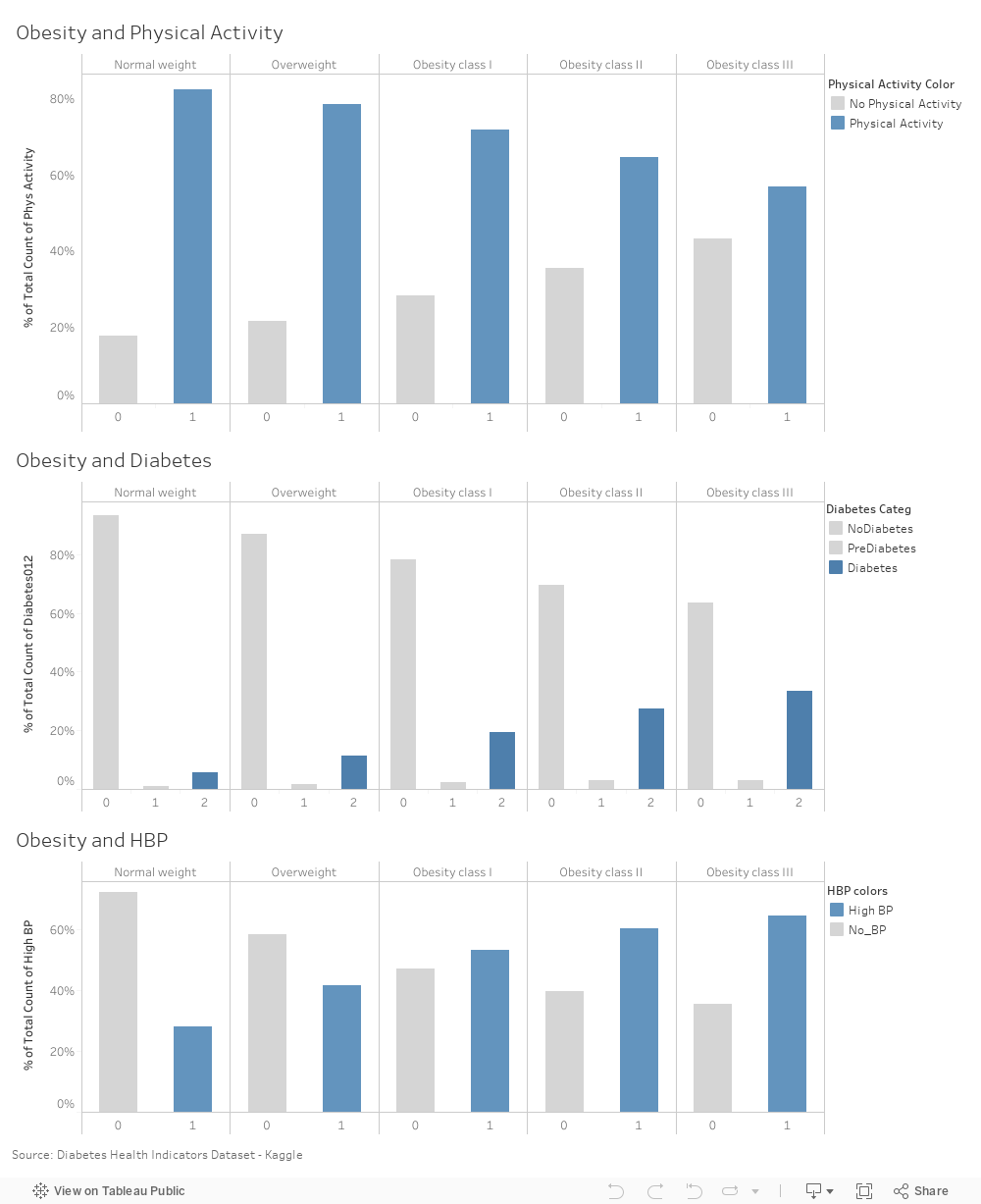
Further analysis, showed a direct relationship between obesity and diabetes. The incidence of pre-diabetes and diabetes escalates in tandem with the severity of obesity, reaching its peak among individuals classified with Type III obesity.
Similarly, obesity is a major risk factor for hypertension. The prevalence of high blood pressure also increases progressively with obesity severity, culminating in the highest rates among those classified with Type III obesity.
This Has to Stop!
To curb the alarming trend of overeating and unhealthy eating, we propose three solutions:
Disclaimers
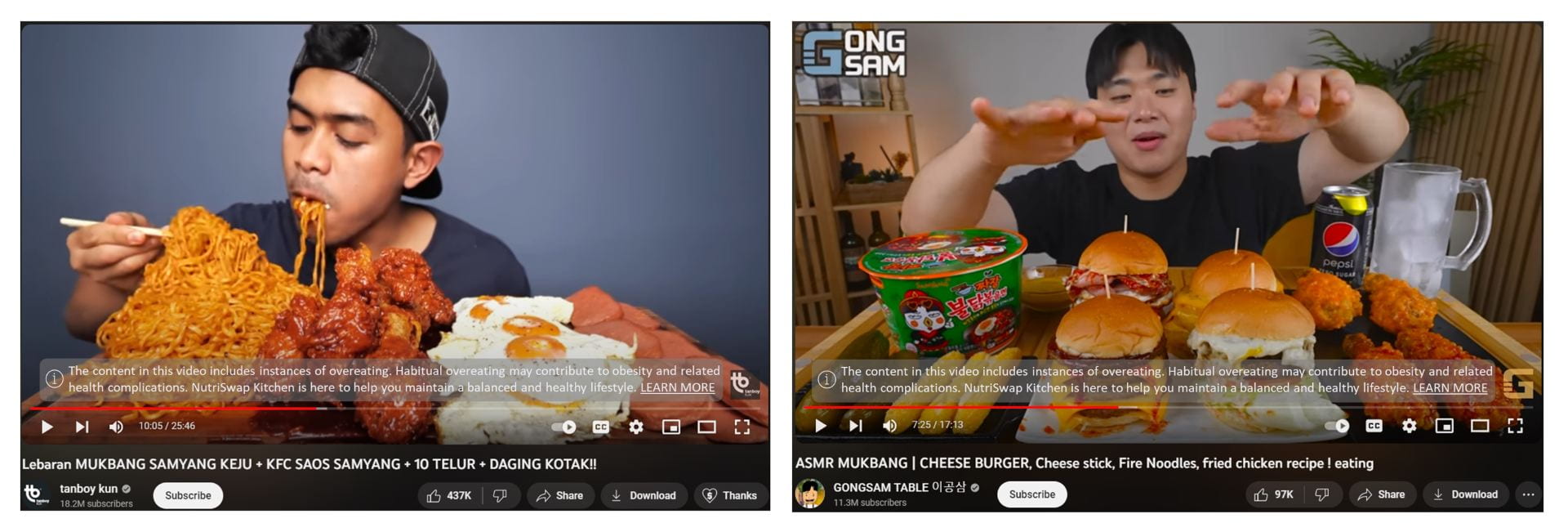
Disclaimers are warnings or statements that inform viewers about the content they’re about to see. Initially used for tobacco products to highlight health risks, disclaimers have been adapted for digital media, including YouTube, to flag potentially harmful or sensitive content.
Considering this, there’s a notable absence of disclaimers on food videos promoting unhealthy eating behaviors or binge eating on platforms like YouTube. Given the health risks associated with such content, similar to those posed by tobacco, the case for implementing disclaimers on these videos is compelling. This could help inform viewers and promote healthier eating habits.
NutriSwap Kitchen app
NutriSwap Kitchen is an engaging Streamlit app that adeptly transforms typical food cravings into nutritious meal options, enriched with access to nutrition experts and healthy food vendors. It’s a fantastic tool for anyone looking to balance indulgence with healthy eating.
Try NutriSwap Kitchen now and discover delicious, nutritious alternatives to satisfy your cravings!
#BreakAHabit Social Media Challenge
The #BreakAHabit challenge, launched on Instagram stories, is a creative social media initiative that we launched as a team. Similar to the viral #IceBucketChallenge, this challenge focuses on promoting healthy eating habits. Participants showcase their journey of choosing healthier meal options or transforming an unhealthy meal into a nutritious one.
It all started with the five of us nominating our friends, creating a ripple effect that expanded globally. As each participant shared their story, they nominated others, leading to a growing circle of impact. This challenge not only encourages healthier eating choices but also fosters a sense of community and inspiration on social media, as people from around the world are sharing now their unique approaches to adopting healthier habits.
Join The Movement
As we navigate the complexities of unhealthy eating in 2023, the landscape is set to change. Our proposed initiatives, including the strategic use of disclaimers on YouTube, the innovative NutriSwap Kitchen app, and the #BreakAHabit challenge are poised to reshape how people approach their dietary habits. Are you ready to be part of this transformation towards better eating habits?