The Hidden Cost of Flexibility: How Remote Work Shapes Mental Health and Work Life Balance
Remote and hybrid work have transformed the modern workplace. After the pandemic normalized virtual collaboration, employees and companies embraced flexibility as the new standard. Surveys in 2024 and 2025 show that over 95% of workers prioritize remote or hybrid arrangements, often valuing flexibility even more than salary increases. But beneath the convenience and autonomy of at-home work, a more complicated reality is emerging. Flexibility does not always guarantee improved well-being. In fact, for many, it comes with hidden psychological and behavioral costs that organizations rarely acknowledge. Drawing on a dataset of 8,000 employees representing diverse industries and experience levels, this project investigates how work arrangement Remote, Hybrid, or Onsite shapes employee mental health, work habits, stress levels, and productivity. The results reveal a striking paradox: while remote work offers meaningful advantages, it also introduces new risks that can significantly undermine well-being when not properly supported.
Remote Work: Freedom on the Surface, Strain Beneath It
At first glance, remote work appears to be the ideal solution for work–life integration. Without commutes and with flexible scheduling, remote employees theoretically gain more personal time and autonomy. However, the data tells a different story. Remote workers consistently reported the highest levels of stress, isolation, overwork, and dissatisfaction, despite the very flexibility that was supposed to reduce these pressures.
Finding 1: Remote Employees Work More Hours and Feel the Least Balanced

The dataset shows a significant gap in weekly working hours across arrangements:
Remote: 47.8 hours
Onsite: 41.6 hours
Hybrid: 40.2 hours
Remote workers are effectively performing an extra full workday every two weeks. This pattern is a classic example of boundary erosion, where the absence of physical separation between home and work leads to unstructured, extended workdays.
Work life balance scores reinforce this:
Remote: 2.36
Onsite: 2.97
Hybrid: 3.63
Remote workers report the worst balance, while hybrid employees report the best.
Finding 2: Remote Workers Experience Far Higher Stress
Stress levels differed dramatically across groups:
50% of fully remote employees report high stress
Only approximately 20-21% of onsite and hybrid employees report high stress
Remote workers are 2.5 times more likely to be highly stressed.
Finding 3: Mental Health Conditions Peak Among Remote Workers
Beyond stress, employees were asked whether they experienced anxiety, depression, burnout, or no conditions.
The results were stark:
Remote: 84.5% reported at least one mental health condition
Onsite: 67.5%
Hybrid: 53%
Remote employees were far more likely to experience psychological strain especially anxiety and depression while hybrid workers reported the healthiest outcomes across the board.
Finding 4: Remote Workers Are More Isolated and Less Healthy
Social connection is a major predictor of mental health and here remote workers struggle significantly:
Isolation rating:
Remote: 3.54
Onsite: 2.82
Hybrid: 2.43
Nearly 28% of remote workers rated isolation as “extremely high” (5/5), compared to negligible rates for others.
Physical well-being also diverged:
29% of remote workers reported no regular physical activity
55% of hybrid workers exercised daily, compared to 27% of remote workers
Remote staff reported slightly worse sleep quality as well
Finding 5: Satisfaction and Productivity Are Lowest for Remote Workers
Despite the popularity of remote work as a preference, those actually working remotely express the lowest satisfaction:
Only 19% of fully remote workers are satisfied
50% are unsatisfied
59% of hybrid workers report satisfaction
Productivity changes follow the same pattern:
46% of remote workers reported productivity decreases
Only 20-22% of onsite and hybrid employees reported decreases
46% of hybrid employees reported productivity increases the best outcome of any group
Hybrid work consistently delivers both performance and well-being advantages.
Finding 6: Employer Support Matters and Remote Workers Get the Least
A key moderating factor is company support for remote work:
Remote employees rated employer support 2.47/5
Onsite and hybrid rated support 3.0-3.55
Among remote workers:
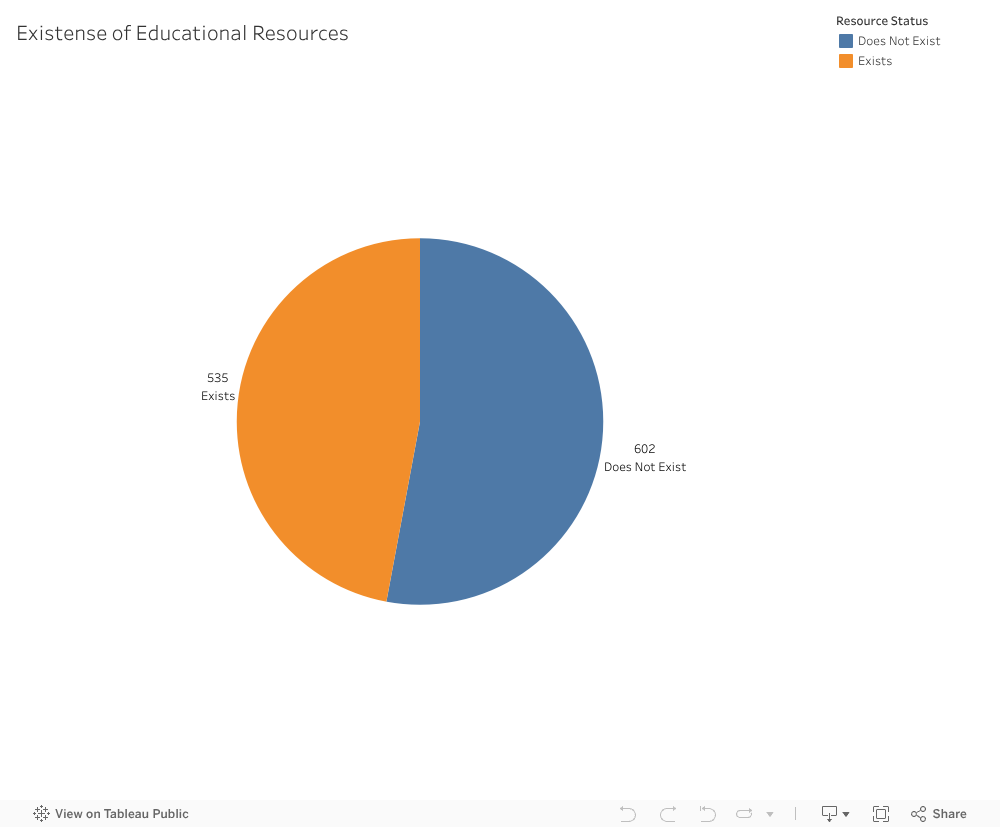
Those with access to mental health resources showed lower stress and higher satisfaction
45% reported receiving no employer support, creating a major well-being gap

Recommendations: Designing Remote Work for Real Well-Being
Based on the patterns in the data, organizations should prioritize:
- Boundary Protection
- Mental Health Support
- Reducing Isolation
- Manager Training
Conclusion: Flexibility Needs Structure
Remote work is not inherently harmful but without structure, boundaries, and support, it can become a breeding ground for stress, isolation, and declining well-being. Hybrid work often provides the right balance enough flexibility for life, enough connection for mental health, and enough structure for productivity. As organizations continue redefining the future of work, investing in the systems that make remote work sustainable is not optional it is essential for protecting employee well-being and unlocking the true benefits of flexibility